
Heating and cooling from one system. More efficient—but more particular when something's off. We've been working on these since before they were popular.
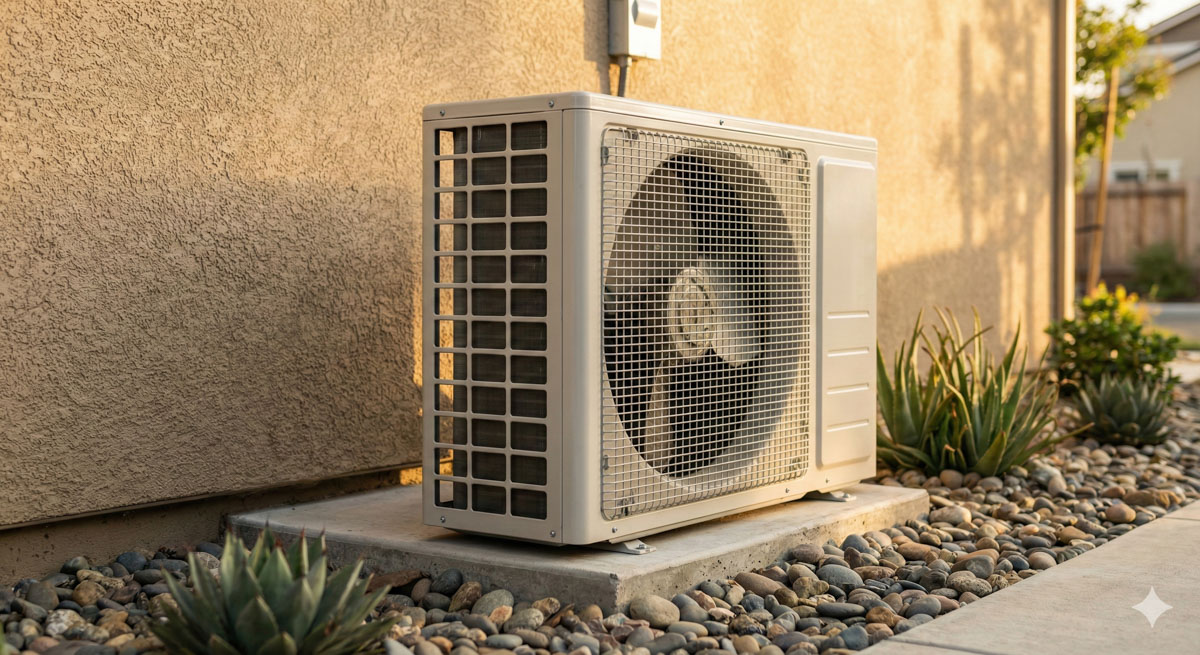
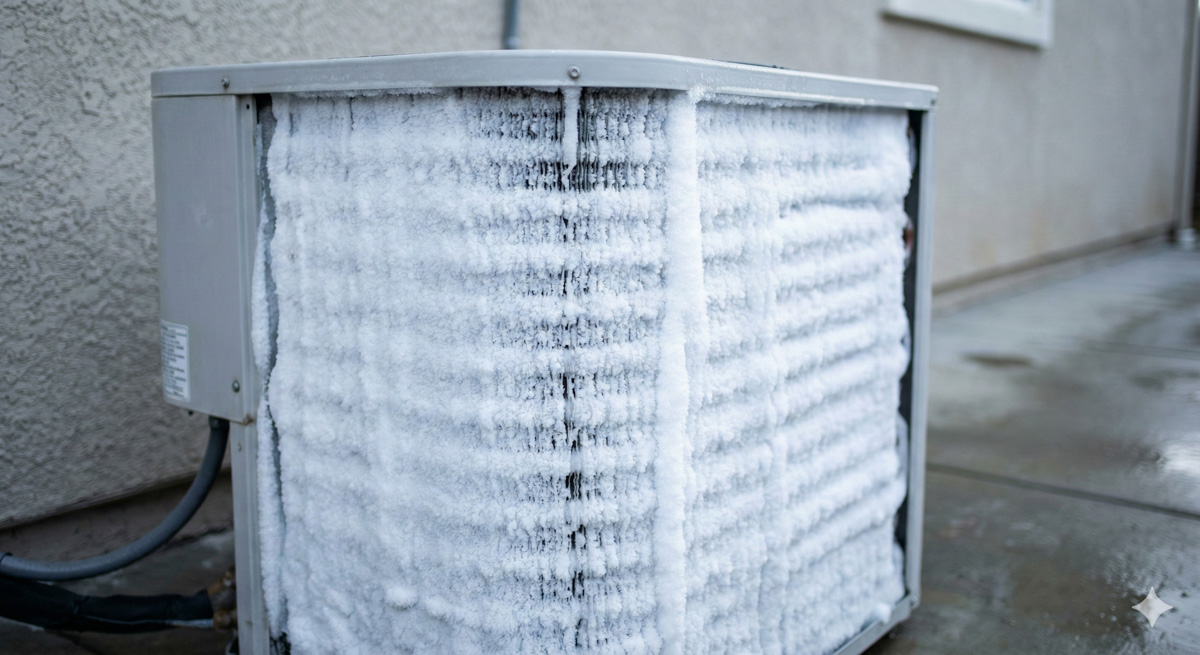
Heat pumps are efficient as hell when they're working right. When they're not, you get a house that won't cool, a heating bill through the roof, and a lot of techs scratching their heads.
Click the signs you're experiencing
Transparent, effective, guaranteed results
We test the whole system—not just the obvious symptom. Heat pumps hide problems.
Heat pumps are tricky. A system blowing warm air could be a bad reversing valve, low refrigerant, a stuck contactor, or a thermostat wired wrong. We don't guess.
Our techs show up with the right meters and gauges:
- Refrigerant pressures on both high and low side
- Superheat and subcooling readings
- Reversing valve operation check
- Defrost board and sensor testing
- Airflow across indoor coil
- Amp draw on compressor and fan motors
Takes longer than a "quick look," but it finds the actual problem. You'll know exactly what's wrong before we talk about fixing anything.
We show you what we found, give you three ways to handle it, and let you decide.
After diagnosis, you get three options on a tablet:
**Get it running:** Minimum repair to restore function. If you're selling the house or need to buy time, this makes sense.
**Fix it right:** Address the root cause plus anything else that's about to go. This is what we'd do on our own system.
**Go long-term:** Comprehensive repair or replacement conversation if the numbers don't make sense anymore.
Flat-rate pricing on each option. You see the total before we start. No hourly billing, no "well, once we got in there..." surprises.
Old system on R-22 refrigerant? We'll be straight with you—recharging those is getting stupid expensive. Sometimes the repair costs more than it's worth.
Common parts are on the truck. Most repairs done in one visit.
Our trucks carry the parts that actually fail: capacitors, contactors, fan motors, defrost boards, thermostats. Standard repairs get done the same day.
For bigger stuff—compressors, reversing valves, coils—we get parts from our local supplier, usually next day. We're not waiting a week for something to ship from across the country.
If your system's down and it's going to take a day or two for parts, we'll tell you upfront and talk about temporary options if you need them.
We run it through both modes and make sure it's actually fixed before we leave.
Heat pumps have two jobs. We test both.
After the repair, we cycle the system through cooling mode, then heating mode. Check the reversing valve switches properly. Verify refrigerant pressures in both directions. Make sure defrost initiates and terminates correctly.
Then we check the thermostat—make sure it's communicating right and the emergency heat lockout works like it should.
You get an invoice showing exactly what we did, what parts went in, and what's covered under warranty. We clean up our mess and get out of your way.
If something's not right, we want to know about it while we're still there—not when you call us back in a week.
Saturday night, Sunday morning, Christmas Day—same rate. Your emergency isn't our payday.
Not techs who "also do heat pumps." Techs who've worked on them for decades.
You know the price before we start. Period.
Appointment windows we actually hit. Techs who call when they're on the way.
Same-day service available. No overtime charges, no matter when you call.